Road traffic accidents are a leading cause of death and injury worldwide, and are exacerbated by adverse weather conditions such as snow, ice, rain or fog. These factors reduce the visibility, grip and braking capacity of vehicles, increasing the risk of collisions, going off the road or overturning.
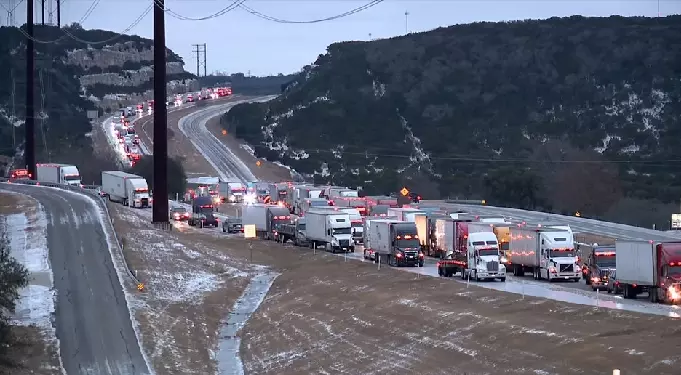
Trucks are especially vulnerable to these risks as they are heavier, larger and longer than light vehicles, making them more difficult to maneuver and stop. In addition, they often transport goods that can be dangerous or flammable, which can cause serious consequences in the event of an accident.
Therefore, it is important that drivers of trucks and other vehicles take measures to prevent accidents in winter, following the following recommendations:
Recommendations to prevent vehicle accidents in winter
– Check the condition of the vehicle before starting the trip
It is essential to check that the tyres, brakes, lights, wipers and heating system are working correctly, and that chains or winter tires are available if needed.
– Plan the route in advance
It is advisable to check the traffic and weather conditions, and avoid the most troublesome areas or areas with a greater probability of snow or ice. It is also advisable to bring a mobile phone with a battery and charger, a map, a blanket, water and food in case something unforeseen occurs.
– Drive with caution and prudence
It is essential to respect the traffic rules, signs and instructions of the agents. You must also adapt the speed and safety distance to the road conditions, and avoid overtaking or sudden maneuvers. In case of fog, turn on the fog lights and reduce speed. In case of snow or ice, you must drive in the tracks left by other vehicles and use the chains if necessary.
– Maintain attention and concentration
It is important to avoid distractions while driving, such as using a mobile phone, GPS or radio. You should also avoid tiredness or sleepiness, stopping every two hours or when you feel fatigued. Likewise, the consumption of alcohol or drugs, which affect the ability to react and judgment, should be avoided.
– Act calmly and responsibly in the event of an accident
If a collision or breakdown occurs, you should try to move the vehicle off the road, mark it with the triangle and reflective vest, and notify the emergency services. You must also help those who may be injured and collaborate with the authorities.
These are some measures that can help prevent vehicle accidents with trucks in winter, but the most important thing is to have common sense and respect for other road users. This way you can enjoy a safe and peaceful trip.
Factors Influencing the Severity of Truck Accidents
According to the World Health Organization, around 1.35 million people die every year due to traffic accidents, and trucks are involved in 12% of them.
The severity of truck accidents depends on several factors, both internal and external, that can increase or decrease the risk and consequences of a collision. Some of these factors are:
Weight and size of the truck
Trucks are heavy and bulky vehicles, requiring more space and time to brake, maneuver and change lanes. Additionally, when colliding with other smaller vehicles, they can cause greater damage due to the difference in mass and speed.
The mechanical condition of the truck
It is essential that trucks comply with technical and safety standards, and that they undergo periodic inspections to verify the correct functioning of the brakes, lights, tires, mirrors and other elements. A mechanical failure can cause a loss of control of the truck and a serious accident.
Driver’s physical condition and attention
Truck drivers must be trained and authorized to drive this type of vehicle, and respect traffic rules and signs. Likewise, they should avoid the consumption of alcohol, drugs or medications that may alter their ability to react, attention and vision. They should also take care of their physical and mental health, and avoid fatigue, stress and distraction while driving.
Road conditions
Weather conditions, lighting, layout, pavement and road markings can influence the severity of truck accidents. For example, heavy rain can reduce visibility and the truck’s grip on the asphalt, increasing the risk of skidding. A sharp curve or steep slope can make the truck difficult to handle and stabilize. A faulty or absent signal can cause confusion or disorientation in the driver.
The behavior of other drivers and pedestrians
Truck accidents not only depend on the truck driver himself, but also on the rest of the users who share the road with him. Motorists, motorcyclists, cyclists and pedestrians must respect traffic rules and signs, maintain a safe distance from trucks, do not invade their lane or fault angle, and do not overtake them on the right or in prohibited places.
These are some of the factors that influence the severity of truck accidents, but not the only ones. To prevent them and reduce their consequences, it is necessary for all actors involved in road safety to become aware and socially responsible.